

Ramtrade logo

Ramtrade Transforms Supply Chain Intelligence and Cost Optimization with Microsoft Fabric Unified Data Platform

Building a governed Microsoft Fabric data foundation to unify fragmented ERP and warehouse systems, enable predictive demand forecasting, and drive cost-efficient cloud operations across Ramtrade’s automotive distribution network.

Ramtrade case study — Challenge, Solution, and Impact

Fragmented ERP Data Inventory Inaccuracy Procurement Inefficiencies

Ramtrade struggled with fragmented data across ERP and warehouse systems, limiting its ability to accurately manage inventory, forecast demand, and optimize procurement efficiency..

Microsoft Fabric Unified Lakehouse Architecture Unified Lakehouse Architecture

Reliance Infosystems deployed a unified data platform built on Microsoft Fabric to consolidate enterprise data, enable predictive demand planning, and optimize cloud infrastructure costs.

The Solution

The engagement established a governed, AI-ready data foundation that transformed supply chain intelligence and cost-efficient cloud operations.

~70%
Reduction in Reporting Effort
~40%
Inventory Discrepancy Reduction
Unified
Governed Data Foundation
The Impact

Predictive

AI-Driven Demand Forecasting

Automated

ERP & Warehouse Data Ingestion

Optimized

Cloud Cost Management

Real-Time

Inventory Visibility & Accuracy

CASE STUDY overview

Microsoft Azure and Data Platform Transformation

Ramtrade logo

Industry

Manufacturing & Mobility 

Category

Unified Data Platform

Revenue (USD) 

$29,000

Ramtrade is a leading Value-Added Distributor of automotive parts in Egypt, specializing in batteries, tires, and high-volume automotive components. With over 30 years of market presence, Ramtrade plays a critical role in keeping Egypt’s vehicle fleet operational through a wide distribution network and strong supplier partnerships.

As the organization expanded, fragmented data across ERP systems, warehouse spreadsheets, and branch databases limited its ability to manage inventory, forecast demand, and control procurement efficiency. To address these challenges, Ramtrade partnered with Reliance Infosystems to design and deploy a unified data and analytics platform built on Microsoft Fabric.

The engagement also introduced cloud cost optimization measures to improve financial governance and ensure sustainable cloud operations aligned with business growth objectives.

"Reliance Infosystems’ deep expertise in Microsoft Fabric architecture, data engineering, and supply chain analytics enabled Ramtrade to build a unified data foundation that transformed fragmented systems into actionable intelligence and cost-efficient operations."

Partner Value and Expertise Reliance Infosystems

Zero Trust and Data Security Capabilities Delivered 

01 Microsoft Fabric Unified Data Platform
02 Data Integration and Pipelines
03 Lakehouse Architecture
04 Power BI Analytics Layer
05 AI-Based Demand Forecasting
06 Data Governance and Security
07 Cloud Cost Optimization
Microsoft Fabric Unified Data Platform
Unified Data Platform
Microsoft Fabric Unified Data Platform

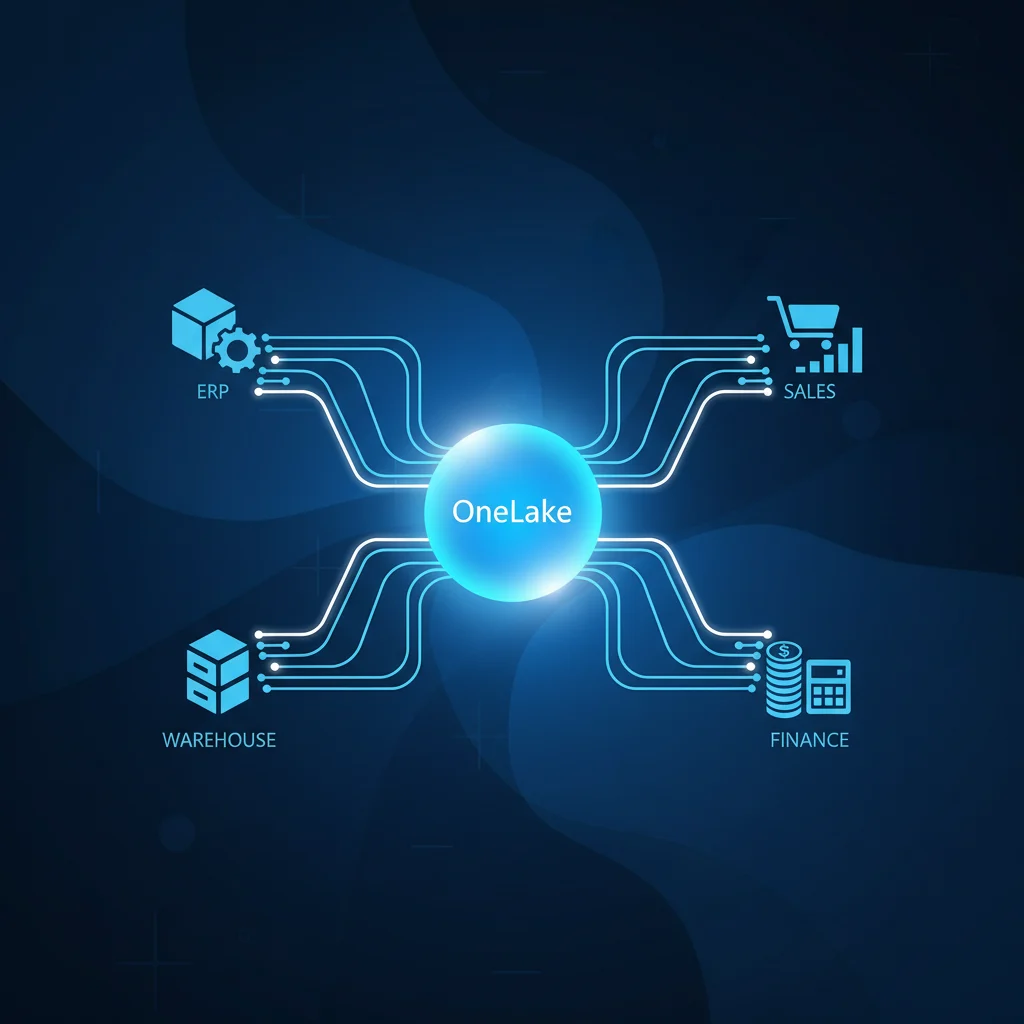
A centralized Fabric environment was deployed to unify ERP, warehouse, sales, procurement, and financial data into a single governed architecture using OneLake.

Data Integration and Pipelines
Data Integration
Data Integration and Pipelines

Fabric Data Factory pipelines automated ingestion from legacy ERP and warehouse management systems into a structured Lakehouse model.

Lakehouse Architecture

A multi-layered Bronze, Silver, and Gold data model was implemented to ensure clean, standardized, and analytics-ready data.

Power BI Analytics Layer
Power BI Analytics
Power BI Analytics Layer

Role-based dashboards were developed across inventory management, demand forecasting, supplier performance, sales analytics, and financial reporting.

AI-Based Demand Forecasting
AI Demand Forecasting
AI-Based Demand Forecasting

A machine learning model built in Fabric Data Science notebooks used 24 months of historical sales data enriched with seasonality and supplier lead time variables to improve forecasting accuracy.

Data Governance and Security
Data Governance & Security
Data Governance and Security

Microsoft Entra ID role-based access controls ensured secure and structured access to business data across departments.

Cloud Cost Optimization

CSP billing insights, resource right-sizing, reserved instance planning, and lifecycle management policies were implemented to improve cost efficiency and financial visibility.


Enterprise Outcomes Enabled by Microsoft Azure

Unified Data Visibility

All enterprise data was consolidated into a single source of truth using OneLake, eliminating fragmented reporting systems.

Improved Inventory Intelligence

Real-time visibility across warehouse locations improved inventory accuracy and reduced discrepancies.

Predictive Demand Planning

AI-driven forecasting reduced procurement inefficiencies and improved stock balancing across SKUs.

Faster Decision-Making

Power BI dashboards enabled near-real-time insights across procurement, sales, and finance functions.

Optimized Cloud Cost Management

Improved visibility and optimization of cloud usage enabled more predictable and controlled spending.

Business Impact

The transformation delivered measurable improvements:

~40%

reduction in inventory discrepancies through unified data visibility 

~70%

reduction in reporting effort (from 3–4 days to same-day automated reporting)

Significant reduction

and application deployment using Azure DevOps  

Reduced stockout events and

improved SKU

availability across distribution network

Improved supplier

performance visibility

enabling data-driven renegotiations

Unified

KPI dashboards across inventory, procurement, sales, and finance

Optimized

cloud spending through reservations and lifecycle management policies

Establishment

governed, scalable

data foundation using Microsoft Fabric

Approach and Delivery Methodology

Reliance Infosystems followed a structured four-phase methodology:

01.

Discovery

Evaluated infrastructure, application dependencies, security requirements, and cloud readiness.

02.

Data Foundation Build

Implemented Microsoft Fabric workspace, OneLake architecture, and ingestion pipelines to centralize enterprise data. 

03.

Analytics Deployment

Built Power BI semantic models and role-based dashboards for operational and executive reporting. 

04.

AI Forecasting and Enablement

Developed ML-based demand forecasting model using Fabric Data Science notebooks and trained it on historical and seasonal data patterns. 

Technical Complexity Addressed: 

Resolved inconsistent SKU formats and Arabic-language encoding issues through custom data cleansing pipelines and normalization logic within the Lakehouse architecture. 

Microsoft Technologies Used:

Microsoft Fabric

Fabric Data Factory

Azure VPN Gateway

Fabric Data Warehouse

Fabric Data Science Notebooks

Power BI

Microsoft Entra ID

Azure CSP Billing and Cost Management

OneLake

Azure Reservations and Lifecycle Management

Fabric Lakehouse

How Microsoft Technologies Enabled the Outcome 

Microsoft Fabric unified all fragmented data systems into OneLake, creating a single source of truth that eliminated reporting inconsistencies. 

Data Factory automated ingestion from ERP and warehouse systems, removing manual reconciliation efforts. 

Lakehouse architecturel   enabled structured, analytics-ready data models that significantly improved reporting speed and reliability. 

Power BI provided real-time visibility across all business functions through a single unified interface.

Fabric Data Science enabled AI-driven demand forecasting within the same platform, eliminating the need for separate tools and reducing complexity. 

Together, these capabilities created a scalable, governed, and cost-efficient data platform that improved decision-making and operational efficiency. 

ramtrade technology

Partner Value and Expertise

Reliance Infosystems delivered deep expertise in Microsoft Fabric architecture, data engineering, and supply chain analytics.

Key strengths included:

Enterprise data modeling and Lakehouse architecture design

ERP and warehouse system integration expertise

Supply chain and automotive distribution domain knowledge

AI-driven demand forecasting model development

Microsoft CSP and Fabric optimization capabilities

Data governance and KPI standardization frameworks

The engagement combined technical depth with strong industry understanding, enabling a tailored analytics solution aligned to Ramtrade’s operational realities and growth strategy.

ramtrade partners

Winner Summary

Ramtrade partnered with Reliance Infosystems to build a unified Microsoft Fabric data platform that consolidated fragmented ERP and warehouse data into a single source of truth. The solution enabled AI-driven demand forecasting, real-time inventory visibility, and significant improvements in reporting efficiency while optimizing cloud costs. The transformation established a scalable and governed data foundation to support smarter, faster, and more cost-efficient decision-making across Ramtrade’s automotive distribution network.